Economic Pulse Net | Sources: World Bank World Development Indicators, Government Sources | 2026
Key Takeaways
– The Cayman Islands operates as a British Overseas Territory with a 19-seat elected Parliament, but remains on the UN Special Committee of 24’s list of non-self-governing territories, a status that carries ongoing political implications.
– As one of the world’s most prominent financial centers, the jurisdiction’s economic significance far outweighs its physical size, though comprehensive World Bank economic data remains unavailable.
– The territory’s constitutional framework, established by a UK statutory instrument in 2009, includes a Bill of Rights that shapes both governance and business operations.
– Political autonomy is partial — the UK-appointed Governor retains significant authority, including two non-voting parliamentary appointments, creating a unique governance dynamic.
– For investors and policymakers, the Cayman Islands represents a case study in how small territories leverage regulatory frameworks to achieve outsized global financial influence.
The Economic Engine: A Jurisdiction Built on Financial Architecture
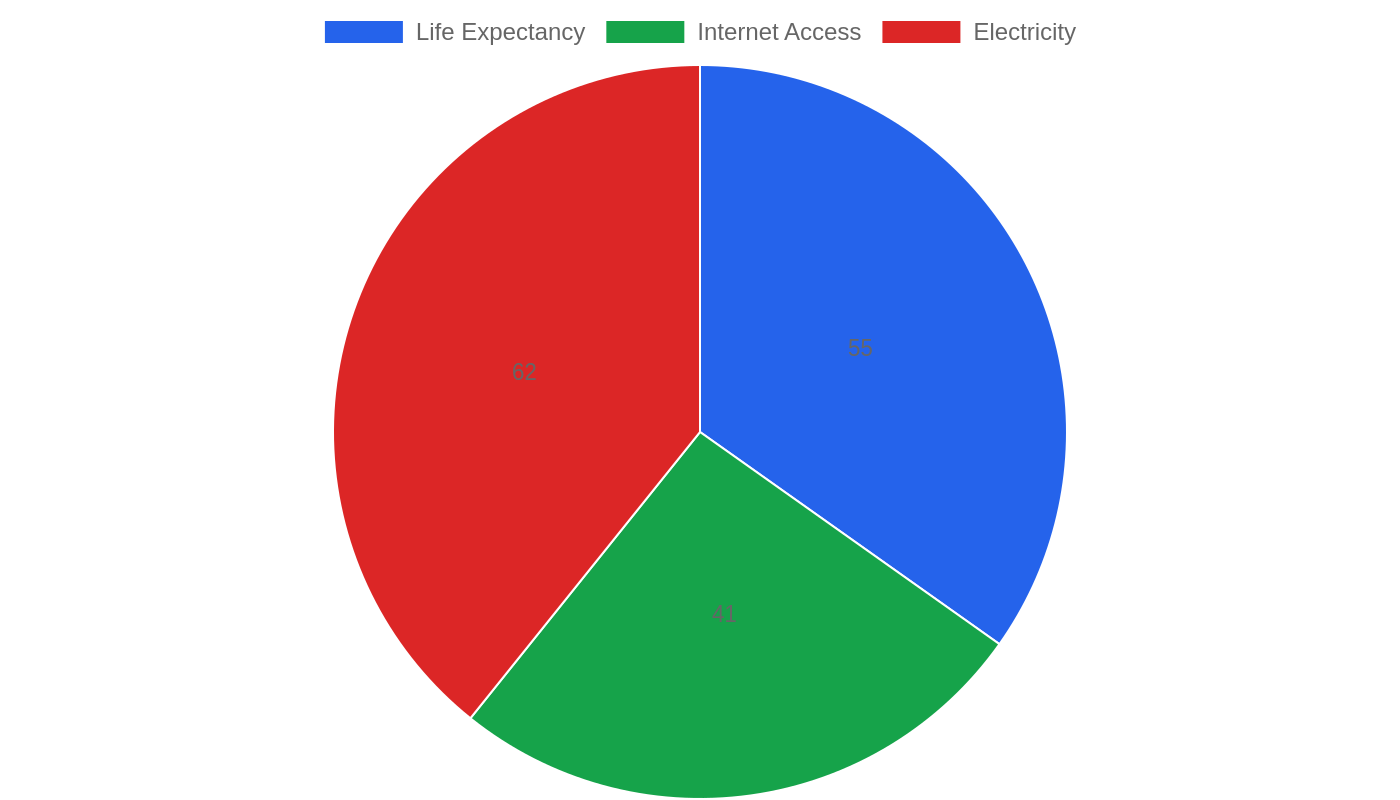
The Cayman Islands presents a fascinating paradox in the global economic landscape: a territory with no readily available World Bank data on GDP growth, inflation, unemployment, or GDP per capita, yet one that punches far above its weight in international finance.
The absence of comprehensive economic indicators from the World Bank does not diminish the territory’s significance — rather, it reflects the unique nature of an economy built primarily on financial services rather than traditional productive industries. The Cayman Islands has long positioned itself as a premier offshore financial center, offering sophisticated legal and regulatory frameworks that attract investment vehicles, hedge funds, and banking operations from around the world.
The territory’s economic model relies heavily on the financial sector, which generates substantial government revenue through licensing fees, incorporation charges, and other financial services-related income. This revenue model has allowed the territory to maintain zero direct taxation on residents and businesses, a cornerstone of its competitive appeal.
The lack of conventional economic data points, however, makes it challenging to assess the territory’s economic resilience in the face of global financial shocks or shifting international regulatory pressures. What remains clear is that the Cayman Islands has successfully built a service-based economy that generates significant wealth and employment, even if traditional metrics do not capture its full economic contribution.
The jurisdiction’s continued relevance in global finance suggests that its economic model, while unconventional, has demonstrated remarkable durability and adaptability.
The Cost of Paradise: Living in a High-Value Financial Hub
While specific cost-of-living data for the Cayman Islands is not available from the World Bank, the territory’s status as a major financial center carries inherent implications for daily expenses. The Cayman Islands has historically been characterized by high living costs, driven by its heavy reliance on imports for virtually all consumer goods, food, and construction materials.
Housing in the territory commands premium prices, particularly in Seven Mile Beach and George Town, where demand from financial sector professionals keeps property values elevated. The rental market caters to a transient population of banking and legal professionals, creating a dynamic where rental yields remain attractive for property investors.
The absence of income tax means that professionals can potentially allocate more of their gross earnings toward housing and lifestyle expenses, partially offsetting the high absolute costs. For local residents, however, the cost of living presents significant challenges, particularly for those working in tourism, retail, and domestic services who may not benefit from the premium salaries offered in the financial sector.
The territory’s import-dependent economy means that global supply chain disruptions and shipping costs directly translate into consumer prices, creating vulnerability to external economic shocks.
Investment and Business Climate: The Offshore Advantage Under Pressure
The Cayman Islands’ business environment is defined by its sophisticated financial infrastructure, established legal system based on English common law, and a regulatory framework designed to facilitate international investment. The territory has become the world’s leading jurisdiction for hedge fund formation, with thousands of funds registered in the jurisdiction, alongside a substantial presence of international banks, insurance companies, and captive insurance vehicles.
The absence of direct taxation, including no corporate tax, no capital gains tax, and no withholding tax, remains the cornerstone of the territory’s appeal to international investors. However, the business climate is increasingly shaped by external pressures, particularly from international efforts to harmonize tax standards and increase financial transparency.
The European Union and other international bodies have placed the Cayman Islands on various lists and watchlists regarding tax cooperation and beneficial ownership transparency, creating an evolving regulatory landscape that businesses must navigate. Despite these pressures, the territory has demonstrated adaptability, implementing new compliance requirements while maintaining its core competitive advantages.
The professional services sector — including legal, accounting, and corporate service providers — has grown to support the financial industry, creating a robust ecosystem that reinforces the territory’s position as a global financial hub.
Safety, Politics, and Quality of Life: Navigating Autonomy Within the British Realm
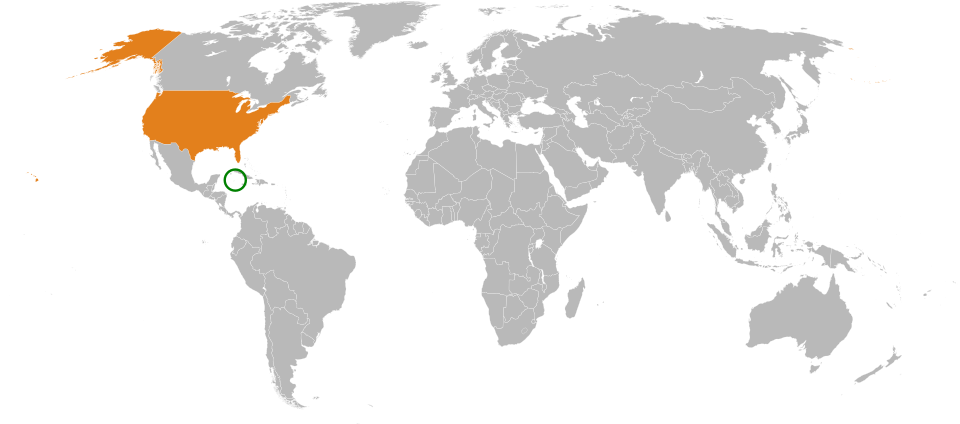
The Cayman Islands’ political landscape is defined by its unique constitutional status as a British Overseas Territory, a relationship that shapes both governance and daily life. The 2009 Constitution, established through a UK statutory instrument, provides the territory with a Bill of Rights and a parliamentary system that handles domestic affairs.
The 19 elected members of Parliament, joined by two non-voting members appointed by the Governor, represent a hybrid model of self-governance within a broader British framework. This arrangement creates a distinctive political dynamic where local legislators address domestic issues while the UK retains responsibility for foreign affairs, defense, and ultimately, good governance.
The territory’s listing by the UN Special Committee of 24 as one of 17 non-self-governing territories adds an international dimension to its political status, with periodic discussions about decolonization and self-determination. While crime and safety indices are not available, the Cayman Islands has historically maintained a reputation as a safe and stable environment, contributing to its appeal for both tourists and expatriate professionals.
The quality of life in the territory reflects its dual character: a Caribbean island lifestyle combined with the amenities and standards expected in an international financial center.
Current Affairs: Navigating the Crossroads of Global Finance
The Cayman Islands currently finds itself at a critical juncture, balancing its historic role as a leading offshore financial center against intensifying international scrutiny and evolving global standards. The territory continues to face pressure from international bodies regarding tax transparency and regulatory cooperation, forcing local authorities to demonstrate their commitment to international compliance standards while preserving the jurisdiction’s competitive edge.
The constitutional relationship with the UK remains a topic of ongoing discussion, with periodic debates about the appropriate balance of autonomy and British oversight. The territory’s financial services industry is adapting to new global minimum tax frameworks, which could potentially reshape the competitive landscape for offshore jurisdictions. Local policymakers are working to diversify the economy beyond financial services, with tourism and digital services identified as potential growth areas.
The territory is also grappling with infrastructure challenges, including hurricane resilience and sustainable development, as climate change presents increasing risks to Caribbean territories. The outcome of these various pressures will determine whether the Cayman Islands can maintain its position as a premier financial jurisdiction while navigating the demands of the 21st-century global economy.
The Bottom Line
The Cayman Islands deserves close attention from investors, policymakers, and observers of global finance as a bellwether for the future of offshore financial centers. The territory’s ability to adapt its regulatory framework to meet international standards while preserving its competitive advantages will have significant implications for the broader offshore industry.
For those watching the evolution of global financial governance, the Cayman Islands represents a compelling case study in resilience, adaptation, and the enduring appeal of well-regulated financial hubs.
Sources & Methodology
This article is authored by Economic Pulse Net for informational and research purposes. Economic Pulse Net sources its data from multilateral institutions, national statistics bureaus, and proprietary databases. All data is believed to be current as of the date of publication.
Published: August 10, 2026 | Category: Research — Cayman Islands
Use these signals in your own platform
Economic Pulse publishes its live signal feed through a documented, read-only API. Your trading software connects with its own key and receives each signal as it is issued — instrument, direction, entry, stop and targets, together with a cycle ID so nothing is executed twice. The feed is independent of this website and cannot change it.
Signals are informational only and are not financial advice.